
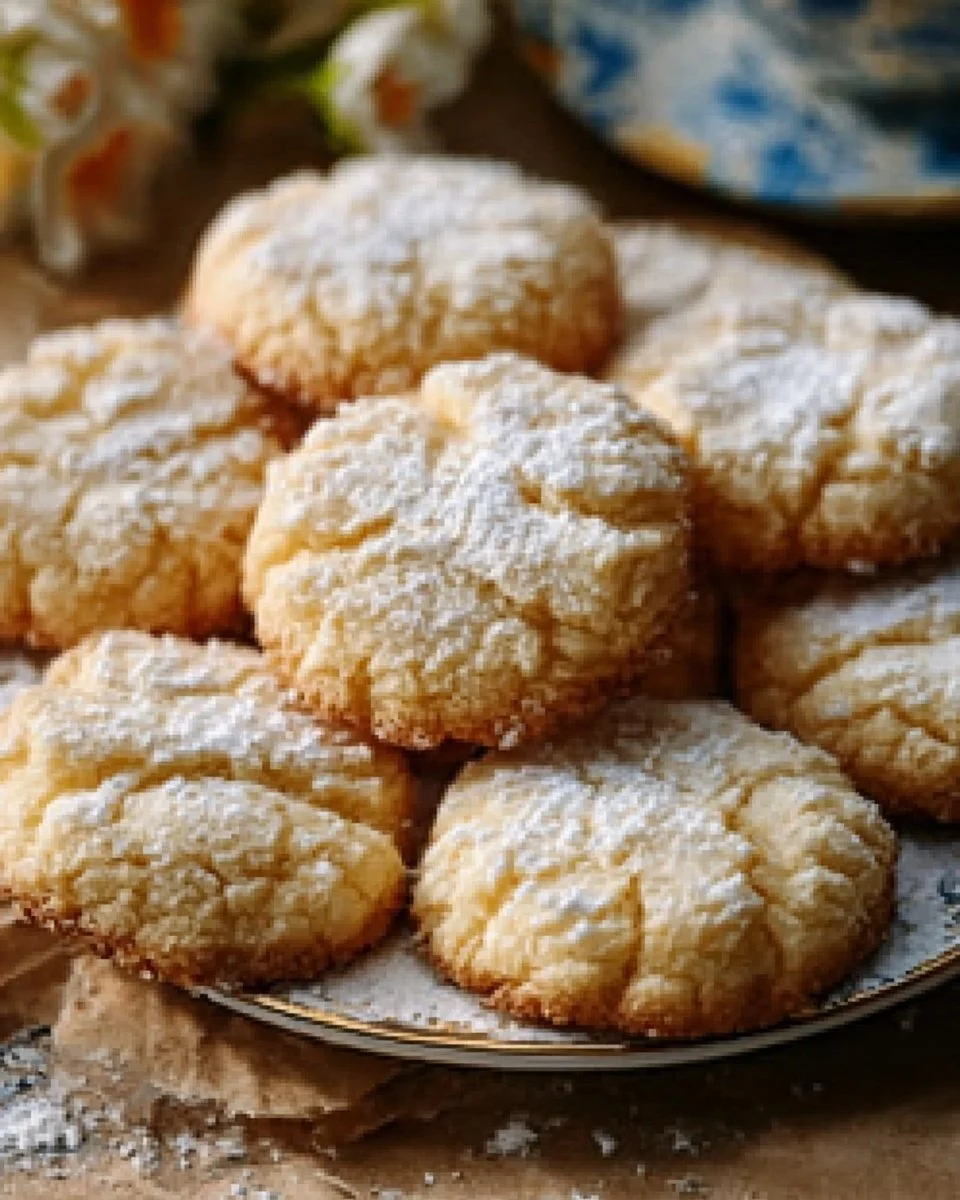
I first made these Kentucky Butter Cake Cookies on a rainy afternoon when I wanted something that tasted like my favorite syrupy Southern butter cake but in cookie form — crisp-edged, tender-centered, and brushed with a buttery, sweet glaze that soaks in just enough. These cookies are perfect for a tea tray, holiday cookie box, or a weekend baking session when you want something rich without fuss. If you enjoy buttery bakes, they pair beautifully with lighter breakfast pastries like blueberry breakfast cake, making for a cozy spread.
Why you’ll love this dish
These cookies capture the best parts of Kentucky butter cake: a buttery, tender crumb and a glossy, buttery-sugar glaze. They’re:
- Quick to mix — no chilling needed, so you can have fresh cookies in under an hour.
- Kid- and crowd-friendly — sweet but not overpowering, with a familiar vanilla-butter flavor.
- Budget-friendly — common pantry ingredients and a small ingredient list.
- Versatile — the glaze soaks in for a cake-like finish, or you can brush lightly for a shiny top.
“Buttery, melt-in-your-mouth cookies with a satin glaze — every bite tastes like the South in a tiny cookie.” — a friend who requested these at every gathering
How this recipe comes together
Start by creaming butter and sugars until light, which creates air and gives the cookies a tender lift. Eggs and extracts add structure and flavor. Dry ingredients are folded in gently to avoid overworking the dough. After a short bake that leaves centers soft, the warm cookies are glazed so the buttery syrup sinks into the surface, producing the signature moist, cake-like texture. Expect about 10–12 minutes in the oven and a brief glazing step right after baking.
What you’ll need
- 2 ½ cups all-purpose flour (spoon and level; for gluten-free use a 1:1 blend, but expect a slightly different texture)
- 1 cup granulated sugar
- ½ cup powdered (confectioners’) sugar (gives a finer texture and helps with the glaze absorption)
- 1 cup (2 sticks) unsalted butter, softened (use high-fat European butter for extra richness)
- 2 large eggs, room temperature
- 1 tsp vanilla extract
- 1 tsp butter extract (optional — boosts the “buttery” aroma)
- 1 tsp baking powder
- ¼ tsp salt
Glaze: - ½ cup unsalted butter
- ¾ cup granulated sugar
- ¼ cup water
- 1 tsp vanilla extract
Substitution notes:
- Brown sugar can replace part of granulated sugar (up to ¼ cup) for a deeper caramel note, but it will slightly change texture.
- To make these dairy-free, use a vegan butter substitute for both cookie and glaze and swap the eggs with ½ cup unsweetened applesauce per egg (results will be slightly cakier).
- For less sweet glaze, reduce glaze sugar to ½ cup and increase water by a tablespoon.
Step-by-step instructions
- Preheat oven to 350°F (175°C) and line baking sheets with parchment paper. This prevents spreading and makes cleanup easy.
- In a large bowl, cream 1 cup softened butter with 1 cup granulated sugar and ½ cup powdered sugar on medium speed for 3–4 minutes until pale and fluffy. Good creaming traps air for a light texture.
- Add the eggs one at a time, mixing until each is fully incorporated. Stir in 1 tsp vanilla and the optional 1 tsp butter extract. Scrape the bowl so everything mixes evenly.
- Sift together 2 ½ cups flour, 1 tsp baking powder, and ¼ tsp salt. Sifting removes lumps and helps a uniform dough.
- Fold the dry ingredients gently into the wet mixture until the dough comes together. Don’t overmix — stop once there are no dry streaks. The dough should be cohesive and slightly soft.
- Scoop about 1.5 tablespoons of dough per cookie and place balls 2 inches apart on the prepared sheets. Flatten each ball into a ½-inch disc with your fingertips to encourage even baking.
- Bake 10–12 minutes, until edges are lightly golden while centers remain soft. Watch closely — the centers will set after resting on the hot tray.
- Let cookies rest on the baking sheet 3–4 minutes, then transfer to a wire rack. While still warm, make the glaze: in a small saucepan over medium-low, melt ½ cup butter. Stir in ¾ cup granulated sugar and ¼ cup water until the sugar dissolves; remove from heat and stir in 1 tsp vanilla.
- Brush or drizzle the warm glaze over the tops of the warm cookies, allowing it to soak in. For a shinier finish, apply a second thin coat once the first has set a bit.
- Cool completely before serving so the glaze firms slightly and the cookies slice cleanly.
Best ways to enjoy it
Serve these cookies warm with a cup of strong coffee or black tea to balance the sweetness. For a dessert platter, arrange them alongside fresh berries and a lightly whipped cream. They also pair well with richer bite-sized confections — a plate with chocolate-covered strawberry cookies makes for an elegant variety box. For breakfast-ish treats, serve with yogurt and fruit to cut richness.
Keeping leftovers fresh
- Room temperature: Store cooled cookies in an airtight container for up to 3 days. Place a sheet of parchment between layers to prevent sticking.
- Refrigeration: If your kitchen is warm, refrigerate in an airtight container for up to a week. Bring to room temperature before serving for softer centers.
- Freezing: Freeze unglazed cookie dough balls on a tray until firm, then transfer to a zip-top bag for up to 3 months. Bake from frozen, adding 1–2 minutes to the bake time. Baked cookies freeze well for 2–3 months; thaw at room temperature.
Food safety: let cookies cool completely before sealing to avoid condensation (which causes sogginess). Keep eggs refrigerated and discard any cookie dough left at room temperature for more than 2 hours.
Pro chef tips
- Use room-temperature eggs for better emulsification — they incorporate into the butter-sugar mix more smoothly.
- Measure flour by spooning it into the cup and leveling with a knife; packing flour results in dry, dense cookies.
- Don’t overbake. Pull when edges are set and lightly golden; centers should still feel soft. They’ll continue to firm while cooling.
- For a glossier glaze, brush while both cookie and glaze are warm. If the glaze thickens, gently rewarm it on low heat, stirring constantly.
- If you want a slightly crisper top, give the cookies an extra minute in the oven, but watch carefully.
Creative twists
- Lemon-kissed: Add 1 tsp lemon zest to the dough and 1 tbsp lemon juice to the glaze for bright flavor.
- Maple-butter: Swap the glaze sugar for ½ cup granulated sugar + ¼ cup pure maple syrup; reduce water to 2 tbsp.
- Almond: Replace vanilla with almond extract (½ tsp) and sprinkle slivered almonds on top while glaze is wet.
- Chocolate-dipped: Once glazed and set, dip half the cookie in tempered chocolate for a two-tone finish.
- Vegan/gluten-free: Use vegan butter and 1:1 gluten-free all-purpose flour; the texture will be slightly different but still delightful.
Helpful answers
Q: How long does the recipe take from start to finish?
A: Active prep is about 15–20 minutes; baking and glazing add ~20 minutes. Plan for 45–50 minutes total including cooling.
Q: Can I make these ahead for a party?
A: Yes. Bake up to two days ahead and store airtight at room temperature, or freeze baked cookies up to 2–3 months. Glaze again lightly after thawing if you want extra shine.
Q: Why are there two kinds of sugar in the dough?
A: Powdered sugar lightens texture and blends smoothly, giving a delicate crumb; granulated sugar adds structure and caramelization.
Q: Can I skip the butter extract?
A: Absolutely—vanilla alone is fine. Butter extract is optional and only enhances the buttery aroma.
Q: Is it okay to use salted butter?
A: Yes — reduce added salt by half (use about 1/8 tsp) since salted butter adds extra sodium.
Q: How do I fix a grainy glaze?
A: Reheat the glaze gently and stir until sugar fully dissolves. If graininess persists, strain the glaze through a fine mesh before brushing.
Q: Can I freeze the dough?
A: Yes. Freeze scooped dough balls on a tray, then bag them. Bake from frozen, adding 1–2 minutes to the baking time.
Final thoughts
These Kentucky Butter Cake Cookies are an easy way to get that rich, buttery cake flavor in a hand-held treat — simple to make, crowd-pleasing, and endlessly adaptable. Give them a try and leave a note about which variation you liked best.
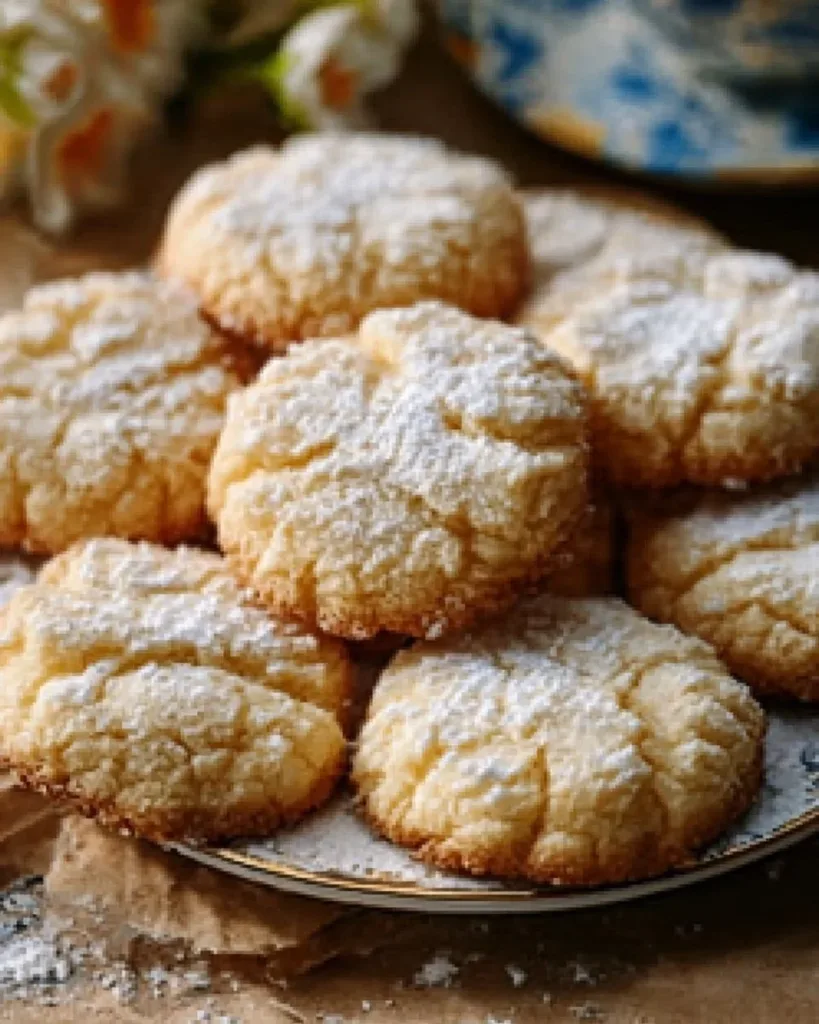
Kentucky Butter Cake Cookies
Ingredients
Method
- Preheat oven to 350°F (175°C) and line baking sheets with parchment paper.
- In a large bowl, cream 1 cup softened butter with 1 cup granulated sugar and ½ cup powdered sugar on medium speed for 3–4 minutes until pale and fluffy.
- Add the eggs one at a time, mixing until each is fully incorporated. Stir in 1 tsp vanilla and the optional 1 tsp butter extract.
- Sift together 2 ½ cups flour, 1 tsp baking powder, and ¼ tsp salt.
- Fold the dry ingredients gently into the wet mixture until the dough comes together.
- Scoop about 1.5 tablespoons of dough per cookie and place balls 2 inches apart on the prepared sheets. Flatten each ball into a ½-inch disc.
- Bake for 10–12 minutes, until edges are lightly golden while centers remain soft.
- Let cookies rest on the baking sheet 3–4 minutes, then transfer to a wire rack.
- In a small saucepan over medium-low, melt ½ cup butter. Stir in ¾ cup granulated sugar and ¼ cup water until the sugar dissolves; remove from heat and stir in 1 tsp vanilla.
- Brush or drizzle the warm glaze over the tops of the warm cookies, allowing it to soak in.