
I’ve been cooking pan-fried sea bass for years, and this lemon garlic herb version is the one that keeps showing up on my weeknight rotation. Flaky, crisp-skinned fillets get a quick pan-sear and finish with a bright, buttery sauce that’s lemony, garlicky, and herb-forward — elegant enough for guests, fast enough for a busy evening. If you love a rich garlic sauce to spoon over fish and pasta, it pairs beautifully with other comfort dishes like this cracked garlic steak tortellini in creamhouse sauce I often make when I want something indulgent.
Why you’ll love this dish
This recipe hits a sweet spot: 20–25 minutes from start to finish, minimal ingredients, and restaurant-quality results. The flour coating gives the fish a delicate golden crust while the lemon-garlic-butter sauce brightens every bite. It’s great for:
- Busy weeknights when you want something quick but impressive.
- Light dinner parties — it’s elegant without fuss.
- Anyone who likes bright, herb-forward flavors and flaky white fish.
“Simple, fast, and exactly the kind of sauce you want to spoon over everything. Crispy on the outside and tender inside—my new favorite fish recipe.” — home cook review
How this recipe comes together
Quick overview so you know what to expect before you start:
- Dry and lightly flour the fillets to encourage a crisp sear.
- Sear the fish in a hot pan with butter and olive oil until golden on each side.
- Remove fish and make the sauce in the same skillet: deglaze with wine, sauté garlic and herbs, add broth, reduce, then finish with butter and lemon.
- Return sauce to the fish and serve immediately with wedges.
This approach keeps the pan flavor (fond) and lets the sauce taste like the fish — a classic bistro trick.
What you’ll need
- 1.5 lbs sea bass fillets
- 1/4 cup all-purpose flour (swap gluten-free flour or 1:1 GF blend; corn starch works too for a lighter crust)
- 1 teaspoon kosher salt, plus more to taste
- 1/2 teaspoon black pepper, plus more to taste
- 1 tablespoon extra-virgin olive oil
- 3 tablespoons butter, divided
- 2 cloves garlic, minced
- 1 tablespoon fresh oregano, roughly chopped (or 1 teaspoon dried)
- 1 tablespoon fresh thyme, roughly chopped
- 1 tablespoon fresh parsley, roughly chopped
- 1/4 cup dry white wine (Sauvignon Blanc suggested; substitute an extra 1/4 cup chicken broth to avoid alcohol)
- 1/2 cup chicken broth (or water if necessary)
- Juice of one lemon (about 2 tablespoons)
- Lemon wedges for serving (optional)
Notes: Use fresh herbs when you can; they make the sauce pop. If fillets are thin, reduce sear time slightly to avoid overcooking.
Step-by-step instructions
- Pat the sea bass very dry with paper towels. Season gently. Dryness = better sear.
- In a shallow bowl, whisk the flour with 1 teaspoon kosher salt and 1/2 teaspoon black pepper. Lightly dredge each fillet, shaking off excess.
- Heat a large skillet over medium-high heat until hot. Add 1 tablespoon butter and the olive oil. Heat until the butter foams and the fat shimmers.
- Place the fillets in the skillet presentation-side down. Do not move them. Sear 3–4 minutes until golden. Flip and sear the other side 3–4 minutes until just cooked through (fish should flake easily and be opaque).
- Transfer the cooked fillets to a warm plate and lower the heat to low. Cover loosely to keep warm.
- Pour the white wine into the hot skillet to deglaze. Scrape the browned bits (fond) with a wooden spoon and let the wine reduce for 1–2 minutes.
- Add another tablespoon of butter and then sauté the minced garlic, oregano, thyme, and parsley for 30–45 seconds until fragrant. Don’t let the garlic brown.
- Pour in the chicken broth and bring to a gentle simmer. Let it reduce until slightly thickened — about 2–3 minutes.
- Stir in the final tablespoon of butter and the lemon juice. Taste and adjust salt and pepper. The sauce should be bright, buttery, and well-seasoned.
- Spoon the sauce over the sea bass and serve immediately with lemon wedges.
Timing tip: Keep an eye on heat so the garlic doesn’t burn and the butter doesn’t separate. If the sauce looks greasy, a squeeze more lemon brightens and balances it.
How to plate and pair
- Plate a fillet over a bed of creamy mashed potatoes, buttery polenta, or a mound of herbed rice. Spoon plenty of sauce over the top.
- Bright side salads (arugula with lemon vinaigrette), sautéed green beans, or roasted asparagus make crisp, fresh accompaniments.
- For a Mediterranean touch, serve with olives, grilled tomatoes, and warm crusty bread to sop up the sauce.
- If you want another garlic-forward option for a group menu, these cheesy garlic chicken wraps are crowd-pleasing and pair well with the bright fish flavors.
Storage and reheating tips
- Refrigerator: Store cooled leftovers in an airtight container for up to 2 days. Fish quality declines quickly, so consume soon.
- Reheating: Gently reheat in a low oven (275–300°F / 135–150°C) for 8–12 minutes covered with foil, or warm briefly in a skillet over low heat. Add a splash of broth or water to loosen the sauce. Avoid the microwave when possible to prevent dryness.
- Freezing: Cooked fish generally loses texture when frozen. If you must freeze, wrap fillets tightly and freeze up to 1 month. Thaw slowly in the fridge and plan to use in soups or salads rather than reheating whole.
- Food safety: Refrigerate within 2 hours of cooking. Discard any fish left at room temperature beyond that.
Pro chef tips
- Pat dry: The number-one trick for a good sear is completely dry fillets. Moisture = steam = no crust.
- Hot pan, moderate fat: Use oil plus a little butter. Oil raises the smoke point; butter adds flavor.
- Don’t overcrowd the pan: Give each fillet room, or sear in batches. Crowding cools the pan and prevents browning.
- Save the fond: The browned bits on the skillet are concentrated flavor — deglaze them into the sauce.
- Control aromatics: Add garlic late to avoid bitterness. Finish with fresh herbs and lemon for brightness.
- Test for doneness: Fish is done when it flakes easily with a fork and the center is opaque. For peace of mind, aim for 145°F (63°C) internal temperature measured at the thickest part.
Creative twists
- Mediterranean: Add capers and a splash of white wine vinegar to the sauce; serve with olives and couscous.
- Spicy lemon: Stir in a pinch of red pepper flakes with the garlic for a gentle heat.
- Creamy variant: Finish the sauce with 2 tablespoons of heavy cream for a silky finish.
- Herb swap: Use basil and tarragon instead of oregano and thyme for a sweeter herb character.
- Gluten-free: Use cornstarch or a GF 1:1 flour to coat the fish; reduce sear time slightly as starch browns faster.
FAQ – Your questions answered
Q: How long does this recipe take from start to finish?
A: Plan on about 20–25 minutes total — 5–10 minutes prep and roughly 10–15 minutes cooking, depending on fillet thickness.
Q: Can I use other fish besides sea bass?
A: Yes. Use similar-firm white fish like cod, halibut, or snapper. Reduce cook time for thinner fillets.
Q: Do I have to use wine?
A: No. Substitute an additional 1/4 cup chicken broth if you prefer to avoid alcohol. The deglazing step still adds flavor.
Q: My sauce looks greasy. How do I fix it?
A: A squeeze of lemon or a teaspoon of vinegar brightens and cuts greasiness. Whisking in a small knob of cold butter at the end (monter au beurre) can also emulsify the sauce.
Q: Can I meal-prep the sauce?
A: You can make the sauce a day ahead and gently reheat it when ready to serve. Keep the sauce separate from the fish and add fresh lemon and herbs just before serving.
Q: Is it safe to eat sea bass raw?
A: No — this recipe calls for cooked sea bass. If you want raw preparations (like ceviche or sashimi), source sushi-grade fish and follow strict handling guidelines.
Final thoughts
This pan-fried sea bass with lemon garlic herb sauce is one of those recipes that feels fancy but cooks up quickly. Try it once and you’ll have a reliable, elegant weeknight dinner to turn to — and I’d love to hear how you plated it in the comments.
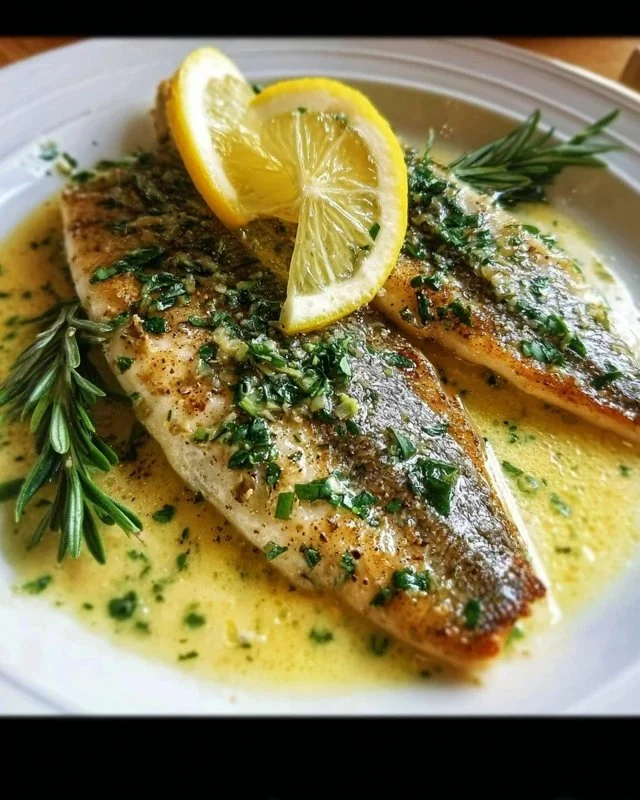
Pan-Fried Sea Bass with Lemon Garlic Herb Sauce
Ingredients
Method
- Pat the sea bass very dry with paper towels and season gently. Dryness helps achieve a better sear.
- In a shallow bowl, whisk the flour with 1 teaspoon kosher salt and 1/2 teaspoon black pepper. Lightly dredge each fillet, shaking off excess.
- Heat a large skillet over medium-high heat until hot. Add 1 tablespoon butter and the olive oil. Heat until the butter foams and the fat shimmers.
- Place the fillets presentation-side down in the skillet. Sear for 3–4 minutes until golden, then flip and sear the other side for another 3–4 minutes until just cooked through.
- Transfer the cooked fillets to a warm plate and lower the heat to low. Cover loosely to keep warm.
- Pour the white wine into the hot skillet to deglaze, scraping the browned bits with a wooden spoon and letting the wine reduce for 1–2 minutes.
- Add another tablespoon of butter and sauté the minced garlic, oregano, thyme, and parsley for 30–45 seconds until fragrant.
- Pour in the chicken broth and bring to a gentle simmer, reducing until slightly thickened (about 2–3 minutes).
- Stir in the final tablespoon of butter and the lemon juice. Taste and adjust seasoning as necessary.
- Spoon the sauce over the sea bass and serve immediately with lemon wedges.