
I first made these Thai basil beef rolls on a slow Sunday afternoon and they vanished before the plates were cleared. They’re a light, hand-held take on classic Thai basil beef: savory, fragrant, and wrapped in tender rice-paper for a fresh bite. They work as a quick weeknight meal, party finger food, or lunchbox upgrade — and if you like ground-beef recipes that travel well, you might also enjoy this roundup of best-ever ground beef dinners for more family-friendly ideas.
Why you’ll love this dish
This recipe balances savory, sweet, and herbal notes with minimal fuss. Lean ground beef gives you filling protein with less grease. Hoisin and soy create an umami-rich base; fresh basil brightens every mouthful. Rice paper wraps keep things light and gluten-free-friendly when you use tamari or gluten-free hoisin.
- Quick: the whole filling cooks in about 10 minutes.
- Budget-friendly: uses pantry sauces and affordable ground beef.
- Crowd-pleasing: easy to make ahead for parties; kids often like the mild sweet-savory flavors.
“Bursting with basil and just the right umami, these rolls were the star of our potluck — easy to eat and impossible to resist.” — home cook review
How this recipe comes together
Here’s the simple workflow so you know what to expect: brown the beef, pan-sauce it with soy and hoisin, toss in crisp-shredded carrots and bell pepper, then pull off the heat and fold in basil. Soften rice paper one sheet at a time and roll about 1/8 of the filling into each wrapper. No deep frying, no complicated tools — just fast stovetop work and a bit of rolling.
- Cook beef and reduce sauces (6–10 minutes).
- Add vegetables for crunch (2–3 minutes).
- Wilt basil off heat to preserve aroma.
- Soften rice paper and assemble rolls (10–15 seconds per wrapper).
What you’ll need
- 1 lb lean ground beef (90/10 recommended)
- 2 tbsp soy sauce (use tamari for gluten-free)
- 2 tbsp hoisin sauce (look for gluten-free hoisin if needed)
- 1 cup shredded carrots
- 1 cup chopped bell peppers (any color)
- 1 cup fresh basil leaves (Thai or sweet basil)
- 8 sheets rice paper wrappers
Notes and substitutions:
- Swap ground turkey or chicken for a lighter protein. For vegetarian rolls, replace beef with crumbled firm tofu or seasoned cooked lentils.
- Add garlic or a teaspoon of fish sauce for extra depth if you like an authentic salty edge.
- Use skinny carrot ribbons from a peeler for prettier rolls.
Step-by-step instructions
- Heat a large nonstick skillet over medium-high. Add the ground beef and break it apart with a spatula. Cook until no pink remains and the meat begins to brown, about 6–8 minutes. Drain excess fat if needed.
- Stir in soy sauce and hoisin. Cook 1–2 minutes until the sauce reduces slightly and coats the beef.
- Add shredded carrots and chopped bell peppers. Sauté 2–3 minutes until the vegetables are tender-crisp.
- Remove the pan from heat. Stir in the fresh basil leaves until they just wilt. This preserves the basil’s aroma.
- Prepare a shallow dish of warm (not boiling) water. Submerge one rice paper wrapper for 10–15 seconds until pliable.
- Place the softened wrapper on a clean surface. Spoon about 1/8 of the filling onto the lower third of the wrapper. Fold the bottom edge over the filling, tuck in the sides, and roll tightly into a cylinder. Repeat with remaining wrappers and filling.
- Serve immediately with a dipping sauce, or keep the rolls covered with a damp towel to prevent drying.
Best ways to enjoy it
- Serve with a tangy peanut dipping sauce or a spicy-sweet chili sauce.
- Offer small bowls of sliced cucumber, shredded lettuce, and extra basil for a DIY assembly station.
- Pair with jasmine rice or a light noodle salad for a fuller meal.
- For appetizers, slice rolls in half on the bias and arrange on a platter with toothpicks.
How to store
- Refrigerator: Store assembled rolls in a single layer in an airtight container lined with a damp paper towel. Eat within 24–36 hours for best texture. Rice paper firms and can get chewy after long refrigeration.
- Separate storage (best): Store the cooked filling in an airtight container in the fridge for up to 3 days and assemble fresh before serving. This preserves the rice paper texture.
- Freezing: Rice paper doesn’t freeze well once assembled. Freeze only the cooked filling for up to 3 months. Thaw in the refrigerator overnight and reheat gently before rolling.
- Reheating: Warm the filling in a skillet over medium heat until hot (internal temp 165°F). Soften new rice paper wrappers and assemble — this keeps rolls tasting freshly made.
Food safety tip: Ground beef should reach 160°F (71°C) for safe eating. Use a thermometer if you’re unsure.
Pro chef tips
- Don’t add basil to the pan while it’s on heat; adding it off heat preserves volatile oils and aroma.
- Work one rice paper wrapper at a time; if you soften several at once they’ll stick together.
- Use warm water — not hot — when softening rice paper. Too hot makes it gummy and fragile.
- Keep a damp towel over finished rolls to stop drying while you assemble the rest.
- To prevent overfilling, scoop the filling with a tablespoon and portion by eye so each roll is uniform.
For a cheesy spin on similar beef rolls, check this cheesy ground beef roll adaptation for inspiration.
Recipe variations
- Spicy basil beef rolls: Add 1–2 tsp Sriracha or sliced Thai chiles to the filling.
- Shrimp version: Swap beef for chopped cooked shrimp and finish with lime zest.
- Vegetarian roll: Use crumbled, pan-fried tofu seasoned with soy and hoisin; add shredded cabbage for crunch.
- Vermicelli-style: Add cold rice vermicelli to the filling for a heartier texture.
- Crunch boost: Mix in chopped roasted peanuts or toasted sesame seeds before rolling.
FAQ – Your questions answered
Q: How long does this take to prepare?
A: Active cooking and assembly take about 25–30 minutes total: 10 minutes to cook the filling and 15–20 minutes to soften wrappers and roll.
Q: Are these gluten-free?
A: Rice paper is naturally gluten-free, but traditional soy sauce and hoisin often contain wheat. Use tamari or labeled gluten-free hoisin to make the recipe gluten-free.
Q: Can I make these ahead for a party?
A: Assemble shortly before serving for the best texture. You can prepare the filling a day ahead and reheat gently, then roll when guests arrive.
Q: Is there a good dipping sauce?
A: Try equal parts hoisin and peanut butter thinned with warm water, plus a squeeze of lime and a dash of chili for balance. Alternatively, use sweet chili sauce or a mix of soy, rice vinegar, and honey.
Q: Can I freeze assembled rolls?
A: It’s not recommended. Rice paper becomes chewy and changes texture after freezing. Freeze only the cooled filling, then thaw and assemble fresh.
Q: How many rolls does this make?
A: Using 8 rice paper wrappers and proportioning 1/8 of the filling per roll yields 8 rolls.
Enjoy your meal!
Give these Thai basil beef rolls a try the next time you want something bright, fast, and hand-held. If you make them, leave a note below about your favorite dipping sauce or any tasty tweaks you tried — I’d love to hear how yours turned out.
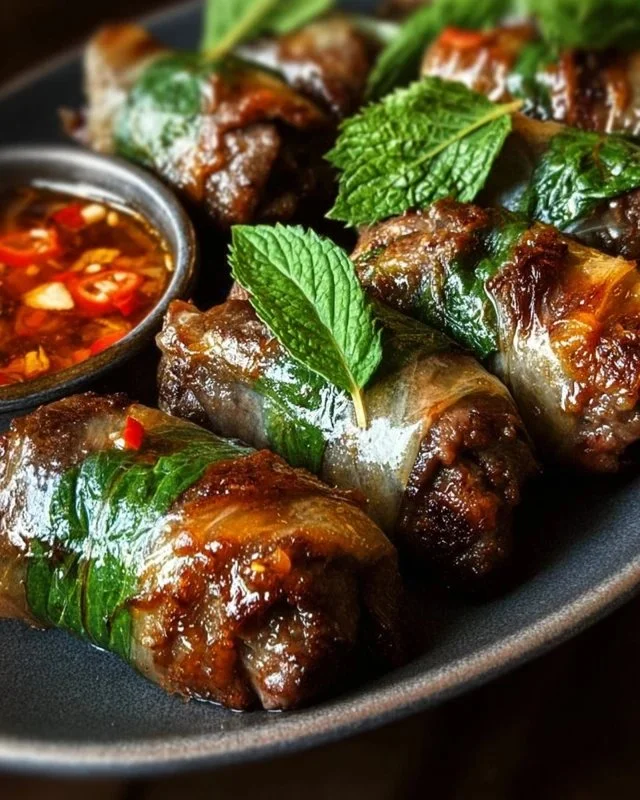
Thai Basil Beef Rolls
Ingredients
Method
- Heat a large nonstick skillet over medium-high. Add the ground beef and break it apart with a spatula. Cook until no pink remains and the meat begins to brown, about 6–8 minutes. Drain excess fat if needed.
- Stir in soy sauce and hoisin. Cook 1–2 minutes until the sauce reduces slightly and coats the beef.
- Add shredded carrots and chopped bell peppers. Sauté 2–3 minutes until the vegetables are tender-crisp.
- Remove the pan from heat. Stir in the fresh basil leaves until they just wilt. This preserves the basil’s aroma.
- Prepare a shallow dish of warm (not boiling) water. Submerge one rice paper wrapper for 10–15 seconds until pliable.
- Place the softened wrapper on a clean surface. Spoon about 1/8 of the filling onto the lower third of the wrapper. Fold the bottom edge over the filling, tuck in the sides, and roll tightly into a cylinder. Repeat with remaining wrappers and filling.
- Serve immediately with a dipping sauce, or keep the rolls covered with a damp towel to prevent drying.