
Short and Sweet Introduction
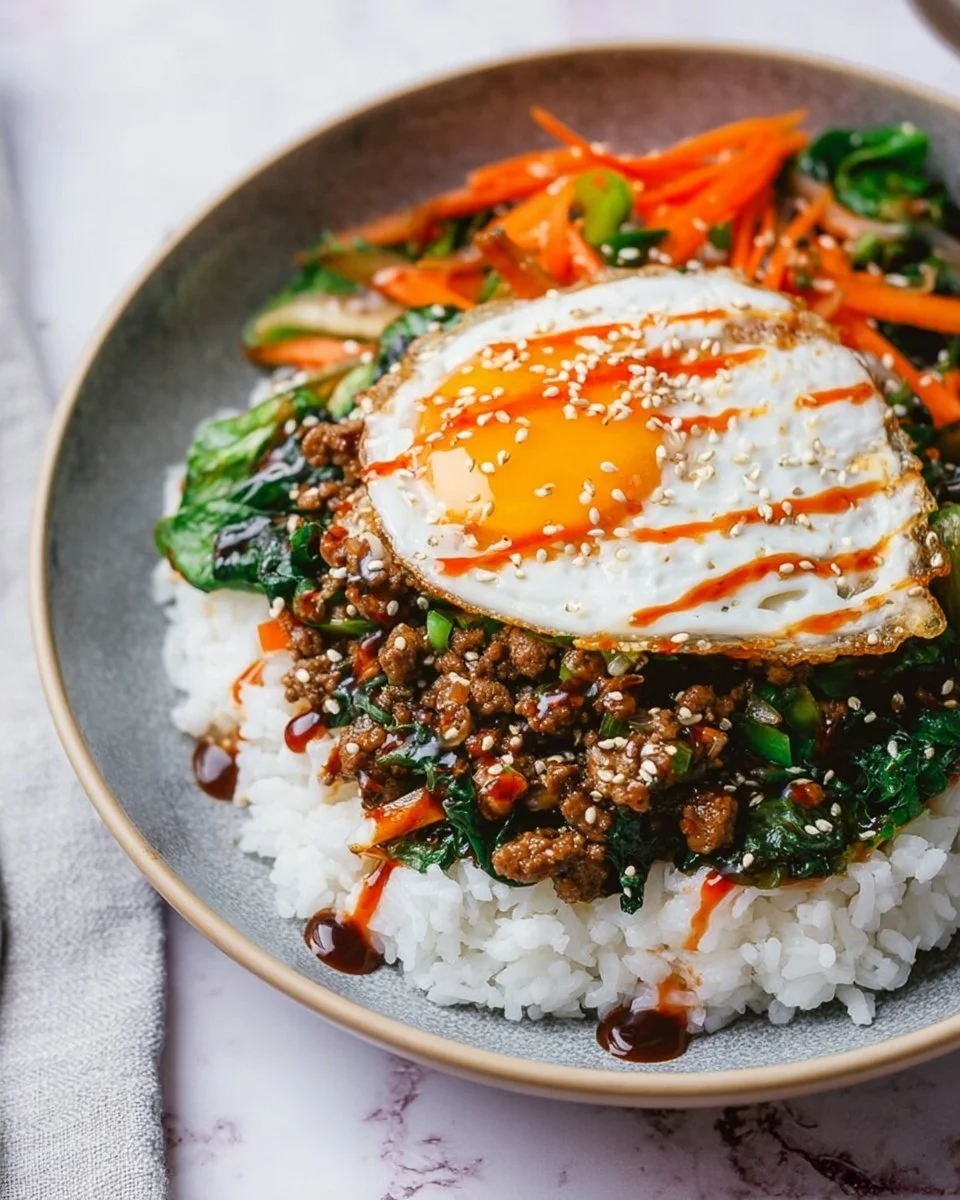
I stumbled upon this Easy Ground Beef Bibimbap recipe during a busy weeknight, when time was limited but I still craved something satisfying. This dish is a delightful twist on the traditional Korean bibimbap, infusing it with rich flavors and textures — all in under 30 minutes! Perfect for family dinners or quick lunches, this recipe delivers a taste of authenticity without the fuss.
Why You’ll Love This Dish
There are several reasons to whip up this easy ground beef bibimbap at home. First off, it’s incredibly quick to prepare, making it ideal for weeknight dinners or rushed lunches. It’s also budget-friendly; with just a pound of ground beef and a mix of vibrant vegetables, you can feed the whole family without breaking the bank. Plus, it’s packed with nutrients — the fresh veggies bring that extra crunch and color, making it a well-rounded meal. Not to mention, it’s a fantastic way to get kiddos to enjoy their veggies without a fuss.
“This bibimbap is a life-saver for busy weeknights! My kids ask for seconds every time, and I love how simple it is to make." — Sarah L.
Step-by-Step Overview
Ready to dive into making Easy Ground Beef Bibimbap? This recipe unfolds in a few simple steps: start by browning the ground beef to create a savory base, then add your veggies and flavor enhancers. While that’s cooking, you’ll quickly fry some eggs to top it all off. Finally, everything comes together over a bed of warm rice, drizzled with a spicy kick of gochujang if you like. It’s as straightforward as it gets!
Gather These Items
To make this delicious bibimbap, you’ll need the following ingredients:
- 1 lb ground beef (80/20 or leaner)
- 2 cups cooked rice (short-grain or jasmine)
- 2 cups mixed vegetables (spinach, shredded carrots, and blanched bean sprouts)
- 2 tablespoons soy sauce (low-sodium if preferred)
- 1 tablespoon sesame oil
- 1 teaspoon garlic, minced
- 4 eggs
- Salt and freshly ground black pepper, to taste
- Gochujang (Korean chili paste), optional for serving
Feel free to mix it up a bit with your choice of vegetables or even switch out the meat for tofu or chicken for a different flavor!
Step-By-Step Instructions
-
Sizzle the Beef: Heat a large skillet over medium-high heat. Add the ground beef, letting it brown undisturbed for about a minute. Then break it into smaller pieces and cook until there is no pink left.
-
Remove Excess Fat: Once the beef is browned, drain any excess fat from the skillet and return it to medium heat.
-
Vegetable Medley: Add the minced garlic and mixed vegetables to the pan. Stir frequently for about 3-5 minutes, allowing the veggies to soften.
-
Flavor It Up: Stir in the soy sauce and sesame oil, seasoning with salt and freshly ground black pepper. Remove the skillet from heat.
-
Sunny-Side-Up Eggs: In a separate pan, add a touch of oil and fry eggs sunny-side up until the whites are set and the yolks remain runny, usually around 3-4 minutes.
-
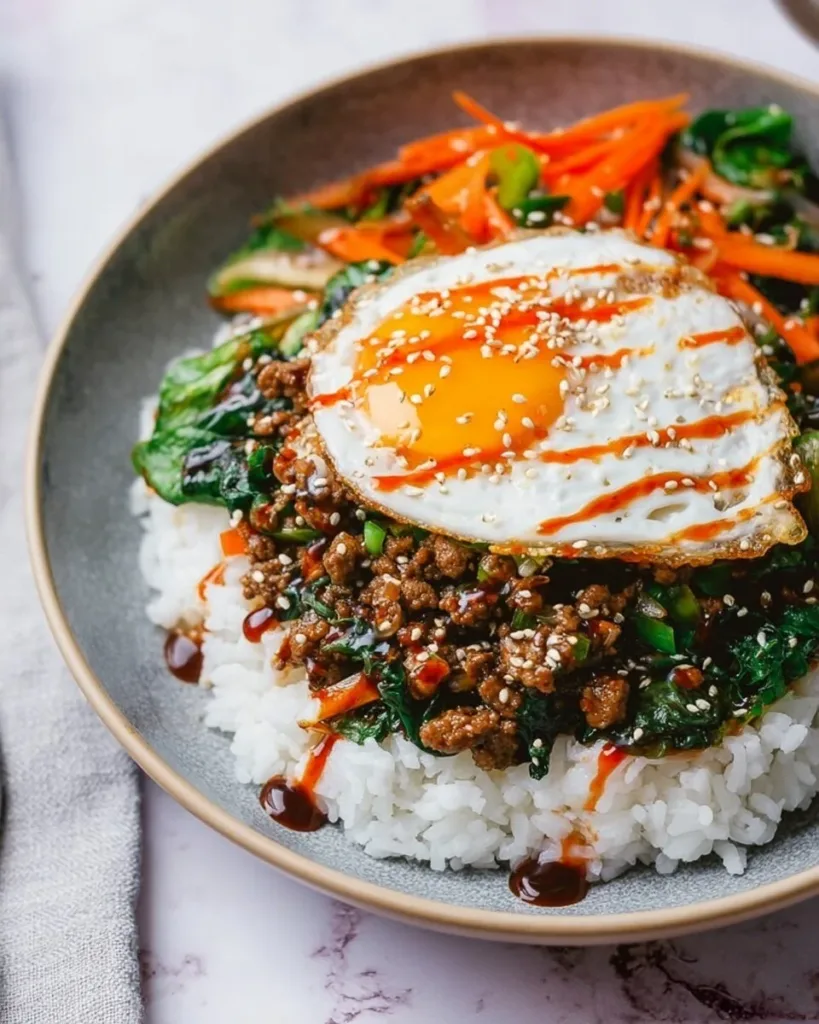
Assembly Time: To serve, divide the warm cooked rice among bowls. Top with the beef and vegetable mix, followed by a fried egg. Drizzle with gochujang or serve it on the side for those who like it spicy.
Best Ways to Enjoy It
Plating is key for this meal; serve the bibimbap in colorful bowls to showcase the vibrant ingredients. A sprinkle of sesame seeds or a few slices of avocado on top can elevate the presentation. Pair it with a side of kimchi or a refreshing cucumber salad for a complete Korean dining experience.
Storage and Reheating Tips
If you have leftovers (though I doubt there will be any!), store them in an airtight container in the fridge for up to 3 days. To reheat, simply warm everything in a skillet over medium heat until hot, or use the microwave in short intervals. For longer storage, this dish can be frozen; just remember to keep the egg separate, as it doesn’t freeze well.
Helpful Cooking Tips
- Beef Choices: Using a leaner ground beef will make the dish healthier, but the 80/20 ratio achieves the best flavor and juiciness.
- Vegetable Variations: Feel free to add bell peppers or mushrooms — get creative with whatever is in your fridge!
- Gochujang Kick: If you’re new to gochujang, start with a small amount. You can always add more to suit your spice level!
Creative Twists
Want to explore variations? You can easily swap the ground beef for ground turkey or even shrimp for a lighter option. For a vegetarian approach, try sautéed tofu or tempeh instead. When it comes to veggies, mix it up with bell peppers, zucchini, or even broccoli for an added crunch.
Common Questions
-
How long does it take to make this dish?
Typically, you can whip this meal together in about 30 minutes. -
Can I use brown rice instead of white?
Absolutely! Just make sure it’s cooked before mixing it with the other ingredients. -
What if I can’t find gochujang?
You can substitute with other chili pastes or even a dash of hot sauce, though it won’t have the same complex flavor. -
Is this recipe suitable for meal prep?
Yes! It keeps well in the fridge and is easy to reheat for quick meals. -
What’s the best way to prevent the eggs from sticking?
Use a non-stick skillet and let it preheat before adding the oil for frying.
Final Thoughts
This Easy Ground Beef Bibimbap recipe is a fantastic entry into Korean cuisine that’s simple enough to prepare all week long. Give it a shot, and I’d love to hear how your experience goes! Share your thoughts or variations in the comments below. Happy cooking!
Easy Ground Beef Bibimbap
Ingredients
Method
- Heat a large skillet over medium-high heat. Add the ground beef, letting it brown undisturbed for about a minute. Then break it into smaller pieces and cook until there is no pink left.
- Once the beef is browned, drain any excess fat from the skillet and return it to medium heat.
- Add the minced garlic and mixed vegetables to the pan. Stir frequently for about 3-5 minutes, allowing the veggies to soften.
- Stir in the soy sauce and sesame oil, seasoning with salt and freshly ground black pepper. Remove the skillet from heat.
- In a separate pan, add a touch of oil and fry eggs sunny-side up until the whites are set and the yolks remain runny, usually around 3-4 minutes.
- To serve, divide the warm cooked rice among bowls. Top with the beef and vegetable mix, followed by a fried egg. Drizzle with gochujang or serve it on the side for those who like it spicy.